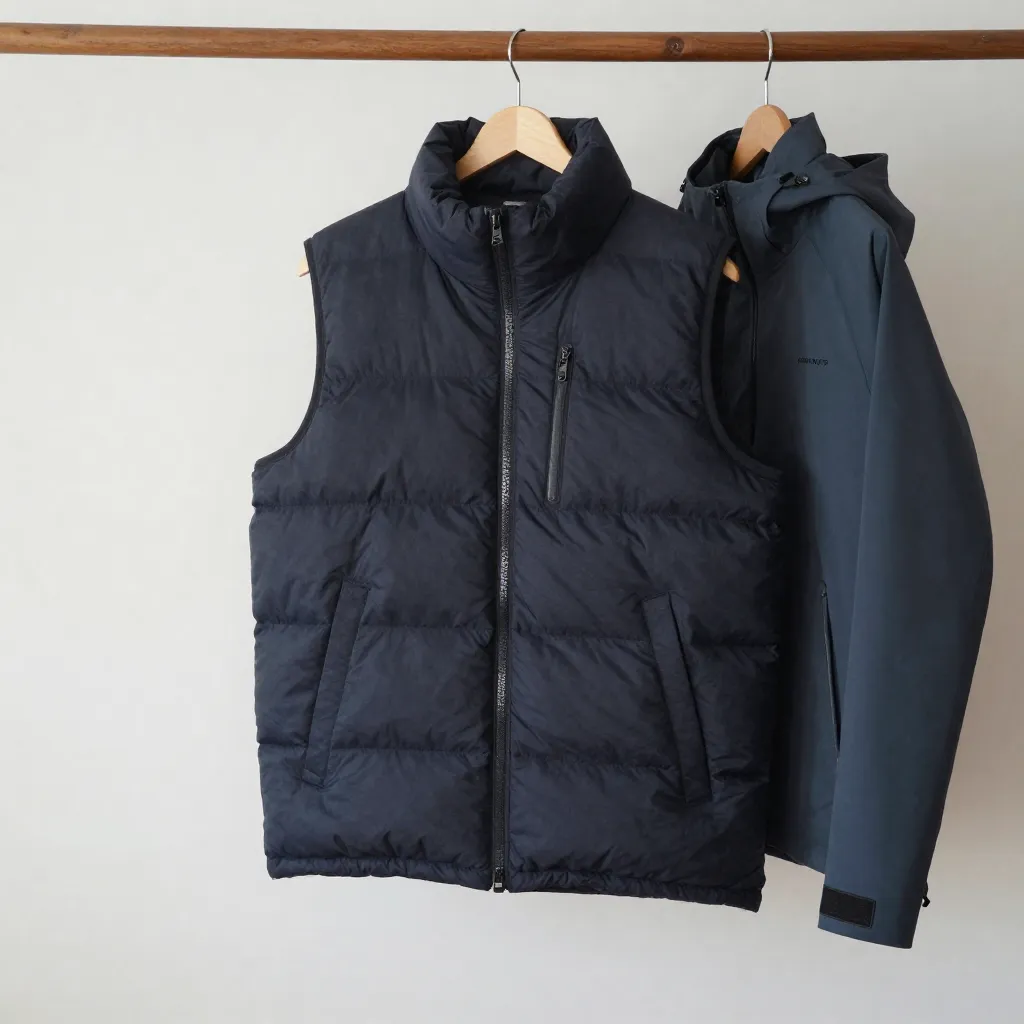
Layer One: The Base
Your foundation layer should sit directly against your skin, managing moisture and providing initial insulation. Materials like merino wool or silk excel here because they wick perspiration away from your body while maintaining warmth even when damp. These natural fibers regulate temperature effectively, making them ideal for the base layer that stays closest to you throughout the day.
Layer Two: The Mid-Layer
The insulating mid-layer traps warm air between fibers, creating a buffer against cold. Knitted sweaters, cardigans, or lightweight jackets in wool or cashmere provide this crucial warmth without bulk. This layer can be easily removed or added as you move between indoor and outdoor environments, making it the most adaptable component of your system.
Layer Three: The Shell
Your outer layer serves as protection against wind, rain, and snow. A well-designed coat or jacket in weather-resistant materials shields the layers beneath while allowing breathability. The shell should be roomy enough to accommodate your base and mid-layers comfortably, creating a complete system that functions as one cohesive unit.
Understanding Thermal Properties
Moisture Management
Natural fibers like merino wool can absorb up to 30% of their weight in moisture before feeling wet. This property makes them superior to synthetic alternatives for base layers, as they continue to insulate even when damp.
Air Trapping
The space between layers creates pockets of air that act as insulation. This is why layering works better than wearing one thick garment—multiple thin layers trap more air and provide better temperature regulation.
Flexibility
The layered approach allows you to adapt to changing conditions throughout the day. Remove the mid-layer when entering a warm building, add it back when heading outside, and adjust your shell based on weather conditions.